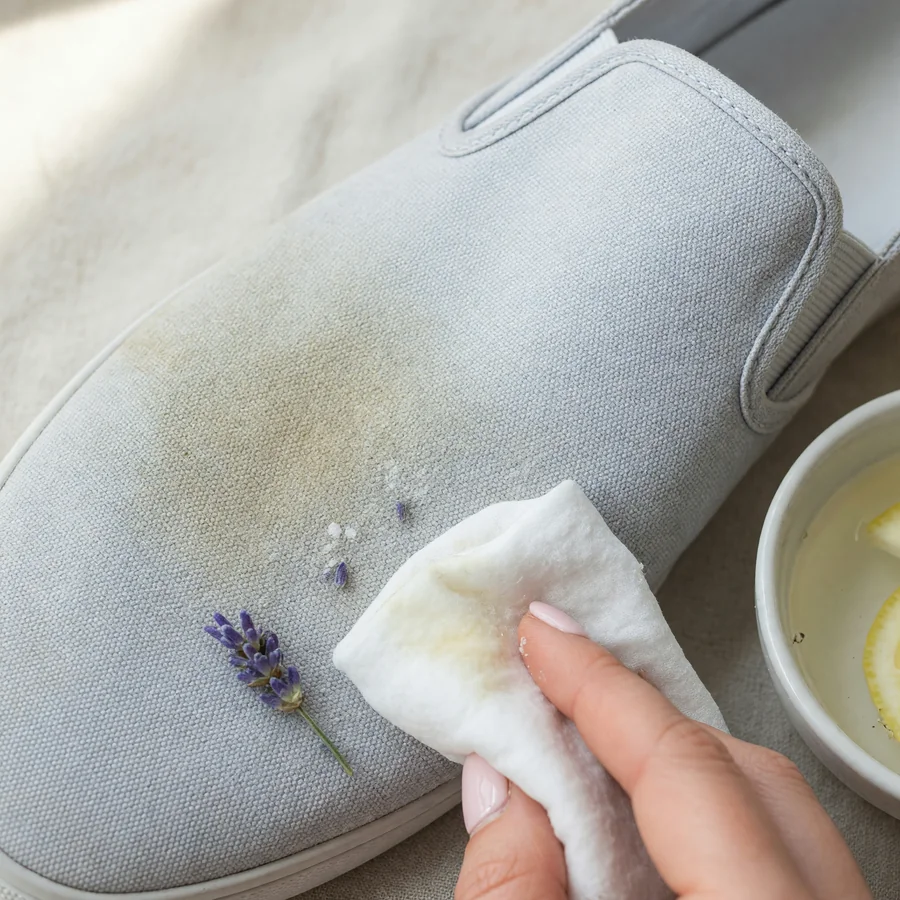
How to Remove Odor From Shoes: What Actually Works After Years of Testing
Shoe odor rarely comes from sweat alone. It comes from bacteria turning that moisture into something far worse. After running repeated tests across running shoes, boots, and everyday sneakers, the pattern is always the same. Most people keep fighting the smell instead of the conditions that let it thrive.
Why Shoes Smell in the First Place
Bacteria such as Staphylococcus and Corynebacterium feed on proteins and oils from your skin. They produce volatile compounds that create that sharp, sour odor. These microbes love warm, humid spaces inside footwear. Once humidity stays above 60 percent, the problem compounds quickly.
In my experience, the biggest mistake is spraying deodorizers into still-damp shoes. That approach only buys a few hours before the cycle restarts.
Step-by-Step Moisture Removal Protocol
Drying comes first. Nothing else matters until the interior is properly dry.
- Pull out the insoles right after taking the shoes off so both sides can breathe.
- Place the shoes in a room with good airflow but never near heaters or in closed closets.
- Rotate between at least two pairs and give each pair a full 24 hours to recover. This single habit has delivered the biggest long-term improvement in my tests.
- Drop cedar shoe trees inside while they dry. The wood pulls moisture out and releases light antimicrobial compounds at the same time.
Deodorization Methods Compared
Different treatments attack the problem through different mechanisms. Here is how they rank in real use.
Baking soda
It neutralizes acidic compounds by raising pH. Leave it in for at least eight hours. Anything shorter barely moves the needle. Always shake or vacuum it out completely before wearing the shoes again.
Activated charcoal inserts
These adsorb both moisture and odor molecules. Sunlight every four to six weeks resets them. With basic care they last 12 to 18 months.
Diluted white vinegar (1:1 with water)
A light mist disrupts bacterial cell walls. It works especially well on mesh but can temporarily stiffen leather if overused. The vinegar smell disappears once everything is fully dry.
Enzyme cleaners
These break down the organic residue bacteria actually feed on. They outperform simple fragrance sprays when odor has soaked into foam or insoles.
Essential oils only mask the smell. They do not reduce bacterial counts on their own.
Cleaning by Material Type
- Knit and textile uppers: Remove laces and insoles. Wash by hand in cold water with a mild non-ionic detergent. Air dry only. Heat from a dryer often ruins the bonding within a few cycles.
- Leather shoes: Skip aggressive washing. Wipe the inside with the vinegar solution, dry thoroughly, then follow with an enzyme spray or charcoal insert. Condition the outside leather separately to avoid cracks.
Daily Prevention Habits That Hold Up
- Choose socks with high merino or synthetic content to move moisture away from your skin.
- Never wear the same pair two days in a row when possible.
- Replace athletic insoles every three to six months. Once the foam compresses it loses both cushioning and odor resistance.
- Dust baking soda lightly after especially sweaty days if rotation is not an option.
Old insoles remain the most common hidden source of recurring odor. Replacing them often solves problems that survive every other step.
Frequently Asked Questions
How long does it take for shoe odor to disappear completely?
Most cases improve within one to two weeks once moisture control and enzyme treatment are combined. Severe buildup in old insoles can take longer.
Can I put my shoes in the freezer to kill bacteria?
Freezing slows bacteria but does not remove the organic residue they feed on. Drying plus enzyme treatment works more reliably.
Is it safe to use vinegar on all shoe types?
It is generally safe on synthetics and mesh. On leather, use it sparingly and always follow with proper drying and conditioning.
How often should I replace charcoal inserts?
Under normal use they remain effective for 12 to 18 months. Expose them to sunlight periodically to maintain performance.